Most homeowners have heard of Feng Shui — the Chinese art of arranging spaces to promote harmony and good fortune. But there's an older, equally fascinating tradition that's gaining ground in Western interior design: Vastu Shastra, the ancient Indian science of architecture.
Vastu Shastra (literally "science of architecture") dates back over 5,000 years to the Vedic period. While Feng Shui focuses on the flow of chi (energy) through a space, Vastu Shastra is rooted in the relationship between a building and the natural forces that surround it — sunlight, wind, magnetic fields, and the five elements of nature.
The Five Elements of Vastu
Vastu Shastra is built on the principle that every space should balance five fundamental elements:
- Earth (Prithvi) — Provides stability and grounding. Represented by heavy furniture, stone, and earthy colors in the southwest areas of the home.
- Water (Jal) — Symbolizes flow and renewal. Water features, aquariums, or blue tones work best in the northeast.
- Fire (Agni) — Represents energy and transformation. The kitchen and fireplaces ideally face southeast.
- Air (Vayu) — Embodies movement and freshness. Large windows and open spaces in the northwest promote healthy air flow.
- Space (Akash) — The most subtle element, representing expansion and openness. The center of the home (the Brahmasthan) should be kept open and clutter-free.
Practical Vastu Principles for Your Home
You don't need to rebuild your house to incorporate Vastu principles. Many of its guidelines align with common-sense design and can be applied to any existing home:
The Entrance
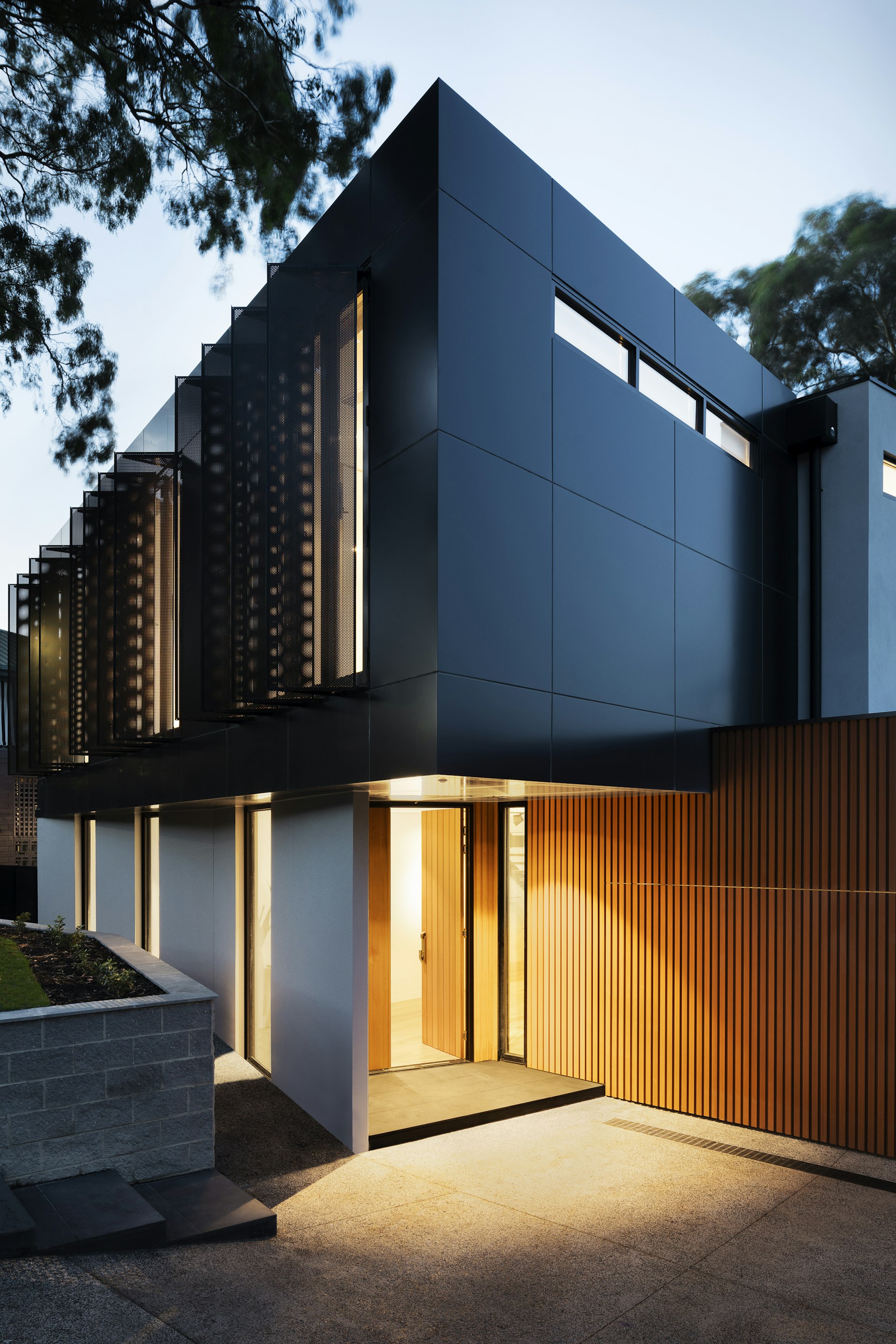
Vastu places enormous importance on the main entrance, which should be welcoming, well-lit, and clutter-free. The door should open inward (inviting energy in) and the entryway should feel spacious. As a designer, I've always advocated for strong entryway design — it sets the tone for the entire home. Vastu simply gives us an ancient reason for what good designers instinctively know.
The Master Bedroom
According to Vastu, the ideal location for the master bedroom is the southwest corner of the home. The bed should be positioned so your head points south or east while sleeping, which is believed to align with the earth's magnetic field and promote restful sleep. Heavy, grounding furniture works best here — think solid wood bed frames and rich, warm textiles.
The Kitchen
Vastu recommends placing the kitchen in the southeast (the direction of fire). The cook should face east while preparing meals. While you can't always move your kitchen, you can orient the stove or main cooking area to honor this principle. Warm colors — reds, oranges, and yellows — enhance the fire element.
The Living Room
The living room benefits from light, uplifting energy. Vastu suggests placing it in the north or east to capture morning light. Furniture should be arranged to encourage face-to-face interaction, and the room should feel open and airy rather than cramped.
Where Vastu and Modern Design Converge
What I find most compelling about Vastu Shastra is how many of its principles echo what modern designers and architects have discovered independently:
- Natural light improves mood — Vastu has been saying this for 5,000 years
- Clutter creates stress — Vastu's insistence on open central spaces predates minimalism by millennia
- Connection to nature matters — Vastu's five elements mirror biophilic design principles
- Room orientation affects comfort — Vastu's directional guidelines align with solar orientation studies
"Whether you call it Vastu, Feng Shui, or simply good design — the goal is the same: creating spaces that support your wellbeing and bring joy to daily life."
I'm not suggesting that every design decision should be made through a Vastu lens. But when its principles align with good design practice — and they often do — it adds a meaningful layer of intentionality to the spaces we create.
Interested in incorporating Vastu principles into your home's design? I'd love to explore this with you.