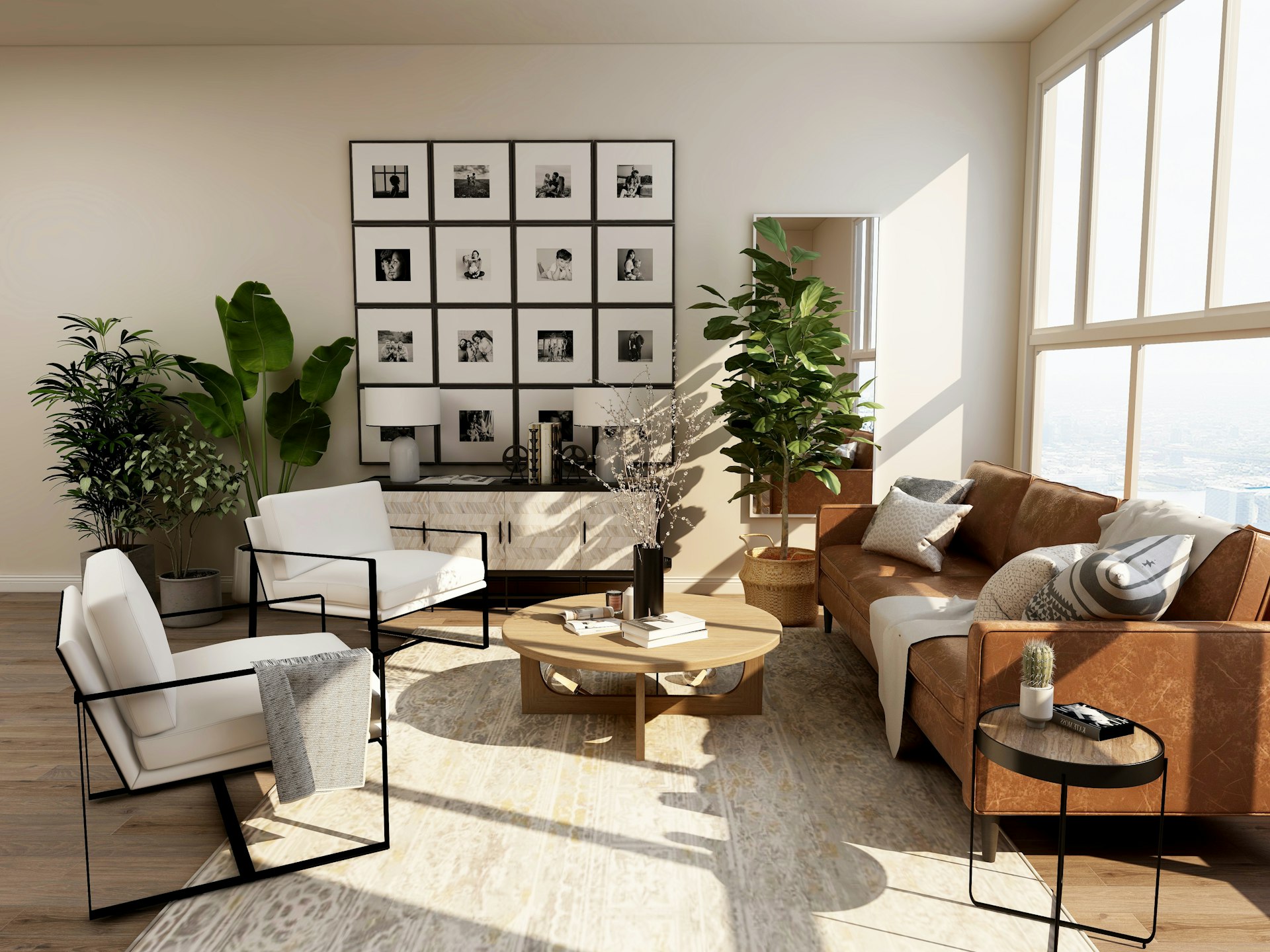
Color is the single most powerful tool in interior design. It can make a room feel cozy or cavernous, energetic or serene, modern or traditional. Yet choosing the right colors is one of the most common sources of anxiety for homeowners. Let me demystify the process.
After nearly three decades of helping Northern Virginia homeowners select colors for their homes, I've developed an approach that takes the guesswork — and the fear — out of color selection. It starts not with paint chips, but with understanding.
Start With What You Already Love
Before looking at a single paint swatch, I ask my clients to gather items they're drawn to — a favorite scarf, a piece of pottery, a photograph from a vacation, a throw pillow they love. These objects contain your intuitive color preferences, and they're far more reliable than trying to choose colors in the abstract.
Look for recurring themes. Do you gravitate toward warm earth tones or cool blues? Muted, sophisticated shades or bold, saturated hues? Your existing preferences tell a story about the atmosphere that will make you feel most at home.
Understanding Undertones
This is where most DIY color selections go wrong. Every color — even whites and grays — has an undertone. A gray can lean blue, green, purple, or warm beige. A white can be creamy, stark, or slightly pink. When the undertone clashes with your room's fixed elements (flooring, countertops, tile), the color looks "off" even though you can't quite explain why.
Here's a practical test: hold your paint sample against a pure white sheet of paper. The undertone will become immediately visible. Then hold it against your flooring, your countertops, and any other permanent elements in the room. If the undertones are in the same family, you're on the right track.
The Whole-Home Approach
One of the biggest mistakes I see is choosing colors room by room in isolation. A home is a flowing series of spaces that relate to each other rather than a set of disconnected boxes. When you stand in your hallway, you might see into the living room, kitchen, and dining room simultaneously. The paint colors across those visible rooms need to share compatible undertones so the transition feels natural. Liza Jane Interiors applies these color flow principles through our interior design services for Northern Virginia homes.
My approach is to develop a whole-home palette of 3-5 coordinating colors:
- A dominant neutral — This covers the largest surfaces (walls in main living areas, hallways). It sets the baseline tone for the entire home.
- A secondary neutral — Slightly different from the first, used in bedrooms or rooms you want to feel distinct but connected.
- An accent color — Bolder and more expressive, used in powder rooms, accent walls, or statement furniture.
- A complementary soft color — Used in fabrics, artwork, and accessories to add depth without overwhelming.
- A grounding dark — For elements like a front door, cabinetry, or a dramatic dining room ceiling.
Light Changes Everything
The same paint color looks dramatically different depending on the light in a room. A color that looks perfect under the fluorescent lights at the hardware store may look completely different in your north-facing living room or your sun-drenched kitchen.
Always test colors in the actual room where they'll be used. Paint large samples (at least 12 inches square) on the wall and observe them at different times of day — morning light, afternoon sun, and evening lamplight. A color you loved at noon might feel completely wrong by dinnertime. Give yourself at least 48 hours of living with samples before committing.
The Colors That Endure
Trends come and go — remember when everyone was painting their accent walls barn red? Or when everything was gray? The colors that stand the test of time tend to be rooted in nature: warm whites, soft sage greens, muted blues, sandy beiges, and gentle clay tones.
For your main living spaces, I recommend choosing colors you could happily live with for a decade. Save bolder, trendier choices for easily changeable elements — throw pillows, artwork, accessories, and flowers.
"The right color palette doesn't just make your home beautiful — it makes it feel like you. That's why I never start with a fan deck. I start with a conversation."
Color consulting is one of the most rewarding parts of my work. If you're feeling overwhelmed by paint choices or want a cohesive palette for your entire home, let's schedule a color consultation. Sometimes a fresh pair of trained eyes is all you need.